

Biblical places in Turkey
Key Biblical travel sites in Turkey
Turkey offers a rich tapestry of biblical sites, many connected to the Apostle Paul’s extensive missionary journeys. These sites range from major cities like Tarsus, Antioch of Pisidia, Ephesus, and Antalya to smaller but significant locations like Lystra, Derbe, and Perga.
The Seven Churches of Revelation and ancient Christian centers in Cappadocia further deepen the spiritual and historical experience for pilgrims and travelers interested in biblical history.
These sites provide archaeological remains, ancient ruins, museums, and churches that bring the biblical narrative to life and allow visitors to walk in the footsteps of early Christianity’s most influential figures.
The following lists some of the top Biblical travel sites:
Attalia - The End Point of Paul's First Missionary Journey
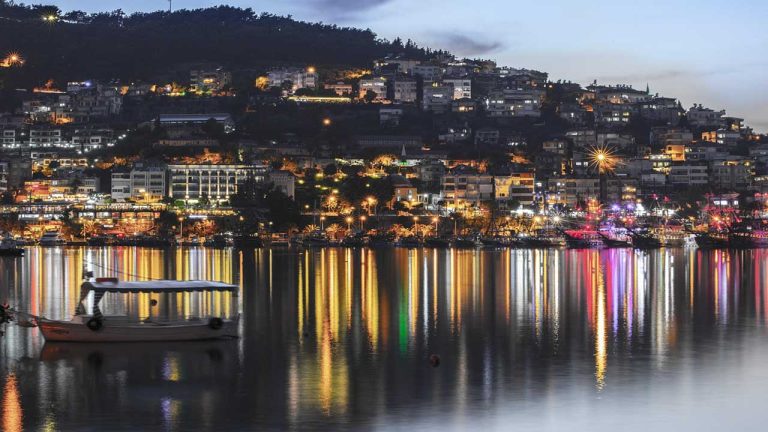
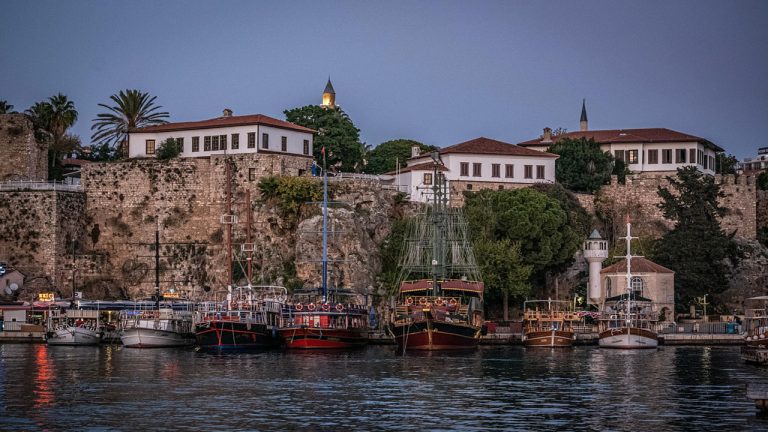
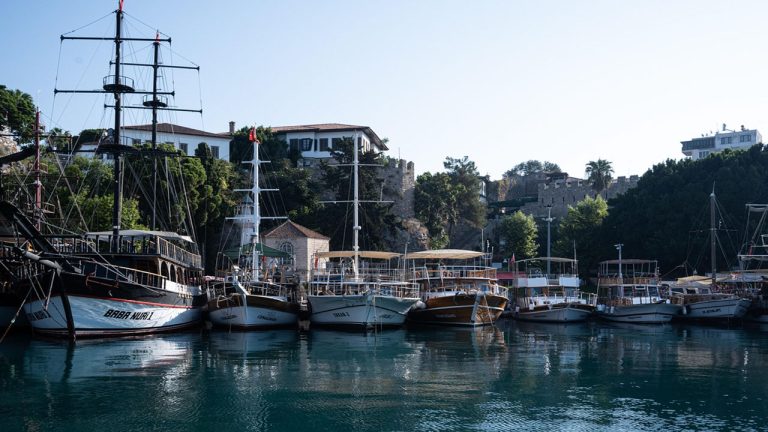

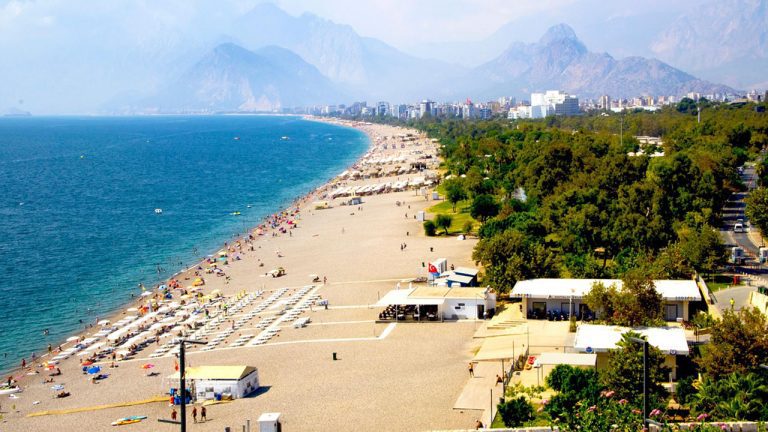
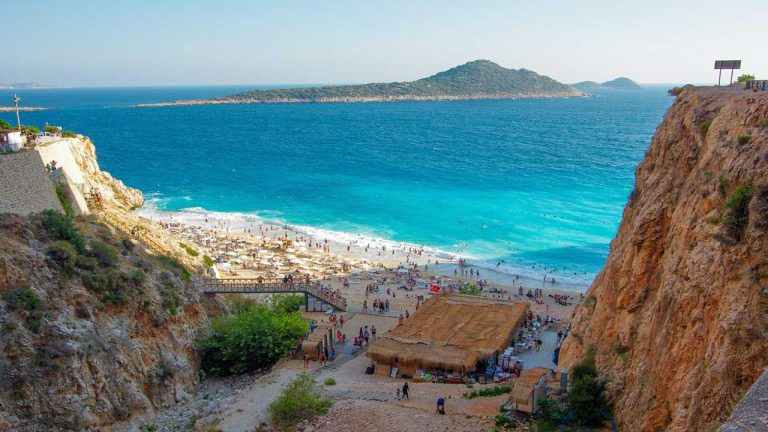
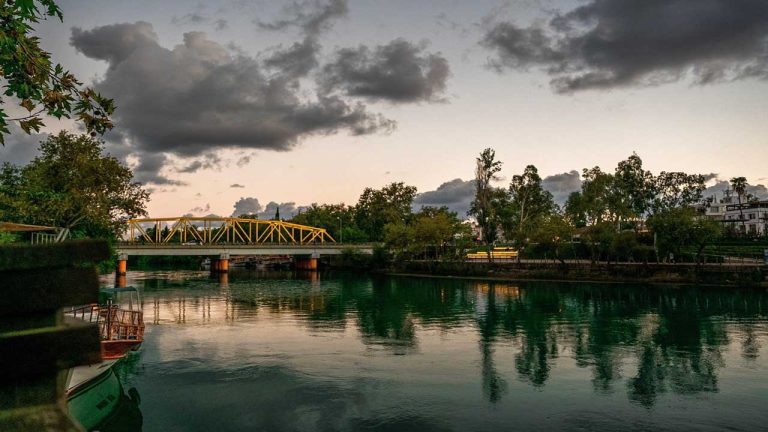
Attalia was the final stop and departure point for the Apostle Paul and Barnabas at the conclusion of their first missionary journey, as recorded in the New Testament book of Acts (Acts 14:25-26). Located in the Roman province of Pamphylia, Attalia corresponds to the modern city of Antalya on the southern coast of Turkey.
Historical and Geographical Context of Attalia
Foundation and Location: Attalia was founded by Attalus II Philadelphus, king of Pergamum (159–138 B.C.E.), and served as the chief seaport of Pamphylia. It was situated at the mouth of the Cataractes River and functioned as the main maritime gateway for the interior regions of southwestern Asia Minor, including Perga, which lay about 13 km inland.
Strategic Importance: As a bustling port city, Attalia was a hub for trade and travel throughout the Roman Empire. Its location on the Mediterranean coast made it a natural embarkation point for voyages to Syria and Egypt, facilitating the movement of people and goods. This strategic position made it an ideal place for Paul and Barnabas to conclude their journey and sail back to their sending church in Antioch, Syria.
Role in Paul’s First Missionary Journey
After preaching the gospel in various cities, including Perga, Paul and Barnabas traveled down to Attalia, where they boarded a ship to return to Antioch. This marked the end of their first missionary journey, which lasted about two years and involved establishing Christian communities and spreading the gospel among both Jews and Gentiles.
Their return to Antioch from Attalia was significant because they reported all that God had done through their ministry, including the opening of the door of faith to the Gentiles. This journey demonstrated the apostles’ dedication to evangelism across diverse regions and cultures, fulfilling the Great Commission to spread the message of Christ “to the ends of the earth”.
The journey through Attalia also reflects the early church’s expanding geographical and cultural outreach, as they moved beyond Jewish communities to Gentile populations, breaking down ethnic and cultural barriers in their mission.
Lessons and Significance
Attalia’s mention in Acts highlights the importance of strategic locations in the spread of Christianity and the apostles’ reliance on established trade and travel routes to facilitate their missionary work.
The city symbolizes a pivotal point where the gospel message was consolidated and then sent forth to new regions, underscoring the apostles’ commitment to sharing their faith despite challenges.
The historical accuracy of the New Testament is supported by the specific reference to Attalia, confirming the detailed travel routes and missionary activities of Paul and Barnabas.
In summary, Attalia served as the crucial maritime endpoint of Paul’s first missionary journey. It was from this prominent port city in Pamphylia that Paul and Barnabas sailed back to Antioch to report on their successful mission, marking a key moment in the early spread of Christianity to Gentile regions.
Iznik - Where the council of Nicaea was held


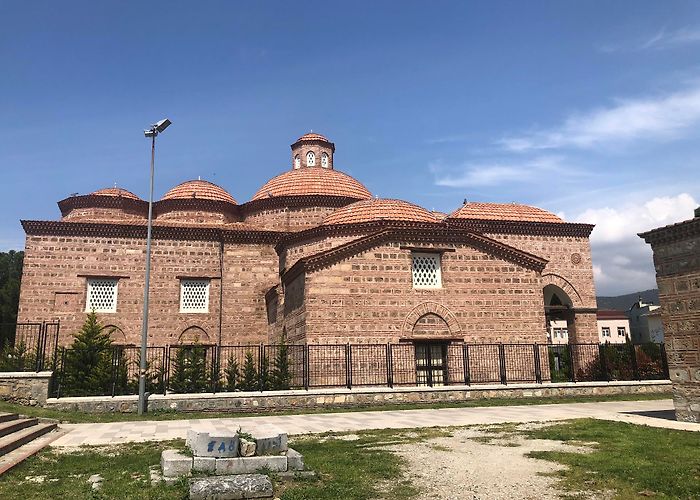
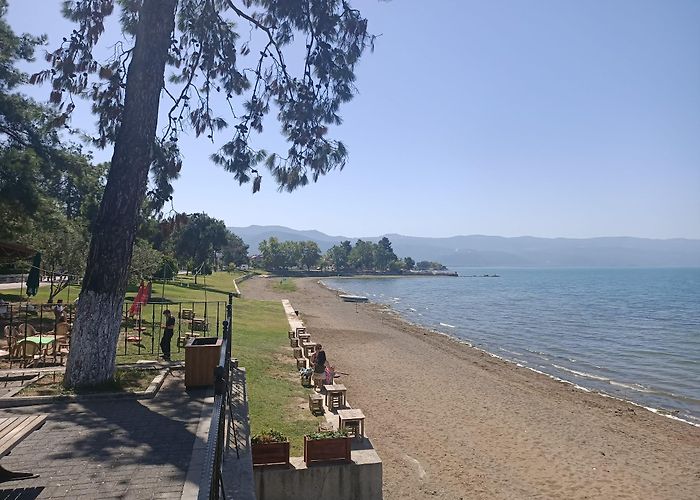

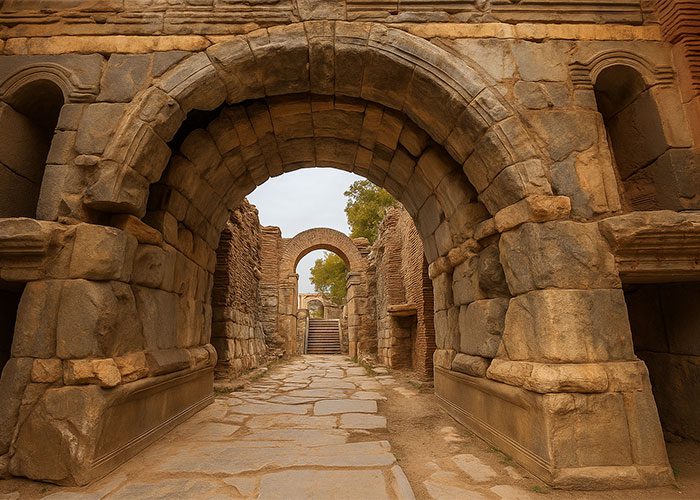


Iznik (ancient Nicaea) is a town on the eastern shores of Lake Iznik, in northwestern Turkey. It holds profound significance in Christian history as the site of two major ecumenical councils that shaped early Christian doctrine and practice.
Significance of Iznik (Nicaea)
The First Council of Nicaea (325 AD)
Convened by Emperor Constantine the Great, this was the first ecumenical council representing the whole Christian Church, gathering over 300 bishops from across the Roman Empire.
The council addressed major theological disputes, most notably affirming the divinity of Christ, declaring Him to be “of one substance” (homoousios) with God the Father, which became a cornerstone of Christian orthodoxy.
It produced the Nicene Creed, a foundational statement of Christian faith still recited in Catholic, Orthodox, and Anglican liturgies today.
The council also established a unified date for the celebration of Easter, the most important feast in the Christian calendar.
Iznik’s role as the council’s location made it a major pilgrimage site and a symbol of early Christian unity and doctrinal formation.
The Second Council of Nicaea (787 AD)
Also held in Iznik, this was the seventh ecumenical council and addressed the Iconoclastic Controversy, which concerned the use and veneration of religious images (icons).
The council decreed that icons deserved reverence and veneration but not worship, which is due to God alone. This decision restored the use of icons in churches and monasteries throughout the Byzantine Empire and influenced Christian art and worship practices widely.
It reaffirmed the importance of relics on altars, a tradition maintained in Catholic and Orthodox churches.
Historical and Cultural Importance
Iznik was a significant religious center during the Byzantine period, especially after Emperor Constantine’s conversion to Christianity in 313 AD.
The city’s strategic location on Lake Iznik and its well-preserved ancient Roman walls reflect its historical importance as a fortified city and political center, including serving as the capital of the Empire of Nicaea after the Fourth Crusade.
Iznik is known for its Ottoman-era hand-painted Iznik tiles, a traditional craft revived today in workshops lining Salim Demircan Sokak. In a cemetery outside the Lefke Gate is the Ottoman-era mausoleum of the 14th-century grand vizier Çandarli Hayreddin Paşa.
The legacy of the councils held there continues to influence Christian theology, liturgy, and ecclesiastical structure globally.
Today, Iznik is recognized as a major pilgrimage and tourist destination due to its religious heritage and archaeological remains, including the submerged basilica linked to the First Council.
Vakıflıköy - The last Armenian village in Turkey
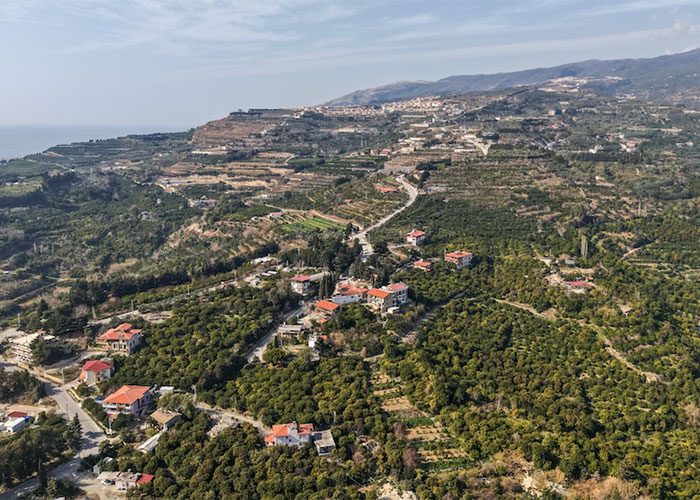

Vakıflı (officially Vakıfköy) is the last remaining ethnic Armenian village in Turkey, located in the Samandağ district of the Province of Hatay. It lies on the slopes of Musa Dağı (Mount Moses), overlooking the Mediterranean Sea and near the Syrian border. The village has a small population of around 103 people as of 2022, mostly Turkish-Armenians who are descendants of Armenians who resisted the Armenian genocide in 1915 by holding out on Mount Moses for 53 days before being rescued by French forces. The mountain has an elevation of about 1,355 meters.
Historical Background
Vakıflı was part of the Ottoman Empire until 1918, then under French administration until 1939, when Hatay Province was annexed to Turkey.
The other Armenian villages in the Mount Moses region were mostly abandoned after 1939, with residents relocating mainly to Lebanon, but Vakıflı’s inhabitants chose to remain, preserving their Armenian heritage.
The village retains a unique Western Armenian dialect that is highly divergent and not fully intelligible to other Western Armenians.
Cultural and Economic Life
Vakıflı is known for its organic farming, particularly citrus fruits like oranges, lemons, and tangerines.
In the mid-2000s, the village faced economic difficulties causing youth migration to Istanbul, but initiatives by local authorities and NGOs helped develop organic farming and eco-tourism, improving the village’s economy and encouraging some residents to return.
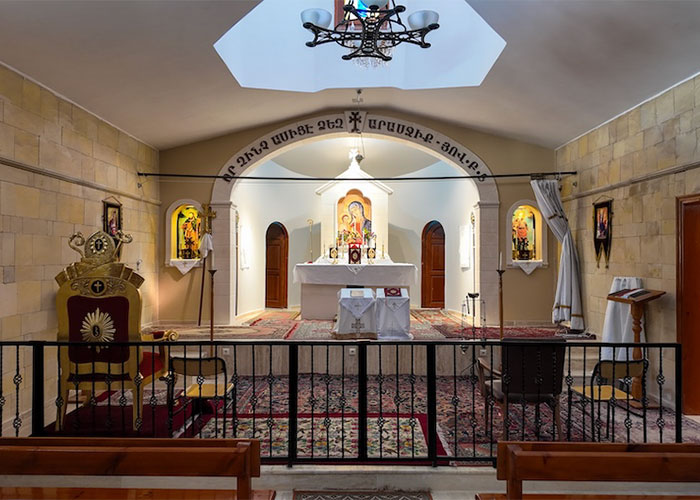
The village has a cultural center, Surp Asdvadzadzin Church, and a women’s cooperative involved in local production.
Current Challenges
Vakıflı faces a significant threat from a large-scale post-earthquake reconstruction project initiated after the devastating 2023 earthquakes in Turkey.
The Housing Development Administration (TOKI) plans to build 1,353 housing units, commercial centers, and infrastructure that cover parts of Vakıflı, including residential and agricultural land.
Villagers fear this expropriation will disrupt the village’s historical, cultural, and social fabric and may lead to a demographic change that risks erasing Vakıflı’s unique status as Turkey’s last Armenian village.
Local leaders and residents have expressed strong opposition to the expropriation plans and are in dialogue with provincial authorities to protect their community.
Geographic and Demographic Details
Vakıflı is about 27 km from Antakya’s city center and 5 km from Samandağ district center.
It is situated at the foot of Mount Moses, surrounded by other villages and close to the Syrian border.
The village population swells during summer as former residents return to visit.
In summary, Vakıflı stands as a living testament to the Armenian presence in Turkey, preserving a unique cultural and historical identity amid modern challenges. Its survival is currently precarious due to government development projects that threaten its existence and heritage.
Şanlıurfa - The City Where It All Began
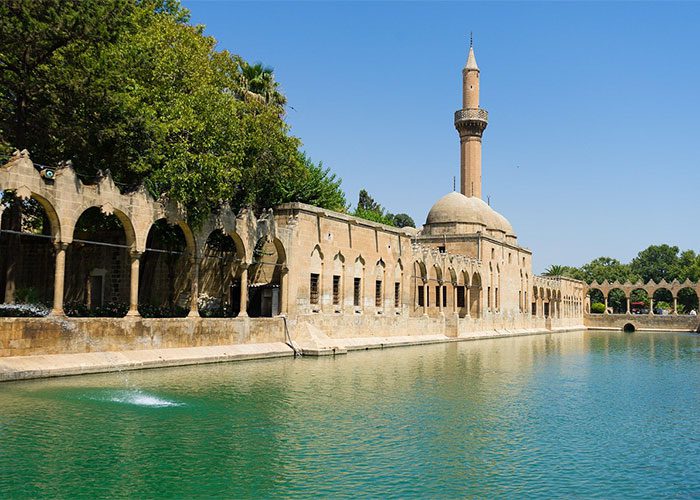


Şanlıurfa, often called the “City of Prophets,” is widely regarded as a foundational site for the origins of religion, particularly the monotheistic faiths of Judaism, Christianity, and Islam. Its significance stems from both its ancient history and its deep associations with key prophetic figures and early religious traditions.
Historical and Religious Significance of Şanlıurfa
Birthplace of Prophet Abraham: Şanlıurfa is traditionally identified as the hometown and birthplace of Abraham (İbrahim), who is considered the patriarch of the three major monotheistic religions. According to various religious traditions and local legends, Abraham was born in a cave near what is now the Mevlid Halil Mosque and was famously saved from being burned alive by Nimrod at the nearby Balıklıgöl (Pool of Sacred Fish).
City of Many Prophets: Beyond Abraham, Şanlıurfa is linked to several other prophets revered in Judaism, Christianity, and Islam. These include Job (Ayoub), Jacob (Yaqub), Joseph (Yusuf), Elisha (Ilyas), Moses (Musa), and Jethro (Shuaib). Sites such as the cave where Job is believed to have suffered and recovered, the tombs of prophets in nearby Harran, and other sacred locations underline the city’s religious heritage.
Ancient Religious Roots: Archaeological excavations at Göbeklitepe near Şanlıurfa have uncovered the world’s oldest known temple complex, dating back approximately 12,000 years. This site predates known civilizations and provides evidence of early religious practices, making Şanlıurfa a cradle of primitive monotheistic and polytheistic worship.
Gateway of Islam to Anatolia: Şanlıurfa is historically noted as the “gate where Islam entered Anatolia,” marking its importance in the spread of Islam into what is now modern Turkey. The city is regarded as a major faith center, considered by some scholars as the fourth most important after Mecca, Medina, and Jerusalem.
Christian Significance: The city also holds importance for Christianity. According to tradition, King Abgar V of Edessa (ancient Şanlıurfa) corresponded with Jesus Christ, inviting him to the city. Although Jesus did not visit, he is said to have sent a letter and a miraculous image, making Şanlıurfa one of the earliest places to recognize Christianity.
Cultural and Tourism Importance
Şanlıurfa attracts hundreds of thousands of faith tourists annually who visit its sacred sites, including Balıklıgöl, the Cave of Abraham, and the ancient city of Harran. The city is developing a Museum of the History of the Prophets to showcase its rich religious heritage and to honor the prophets believed to have lived there.
The city’s long history, multicultural population, and archaeological treasures make it a unique spiritual and historical hub, often called the “Jerusalem of Anatolia”.
Summary
Şanlıurfa is considered by many as the city where religion started due to its profound connections with the origins of monotheism and its association with numerous prophets central to Judaism, Christianity, and Islam. Its archaeological sites like Göbeklitepe reveal some of the earliest religious practices known to humanity, while its religious landmarks and traditions continue to draw pilgrims and scholars alike. The city’s role as a spiritual crossroads and gateway for faiths into Anatolia underscores its enduring religious and cultural significance.