

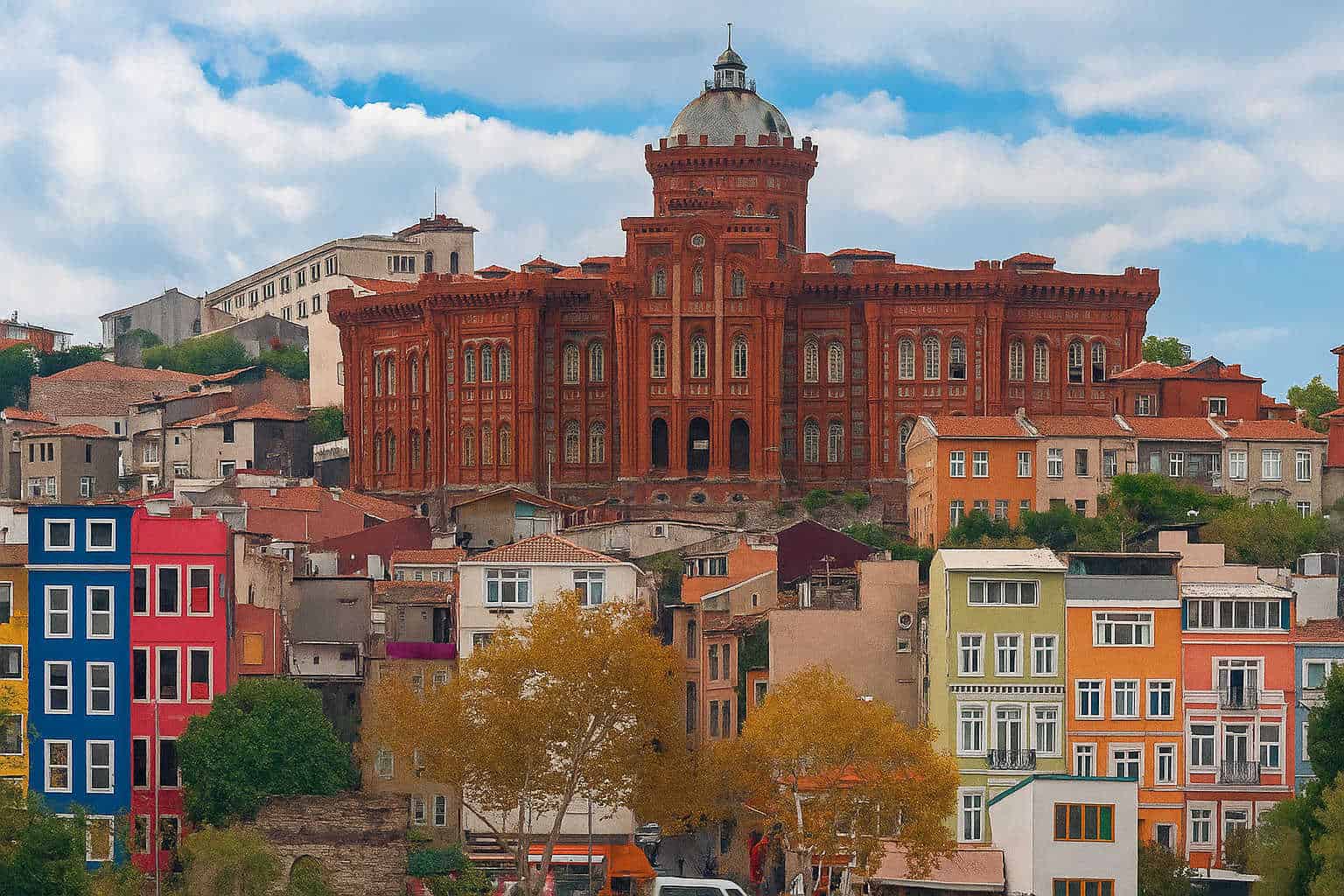
The Rum (Greek) community of Istanbul
The Rum community of Istanbul is an ethnic and religious minority group primarily composed of Greek-speaking Eastern Orthodox Christians who have lived in the city for centuries, tracing their heritage back to the Byzantine Empire…
© TRT World 23/01/2018
… and the Roman (Byzantine) legacy. They are often referred to as “Rumlar” in Turkish, a term derived from “Romans,” reflecting their identity as heirs of the Eastern Roman (Byzantine) Empire rather than recent immigrants from Greece.
This community was once a vibrant and sizable population, numbering around 100,000 in the early 20th century, with a strong cultural presence particularly in neighborhoods like Pera (now Beyoğlu). The 1923 Treaty of Lausanne officially recognized the Rum community as one of the four ethnic minorities in Turkey, exempting them from the population exchange between Greece and Turkey. Despite this, their numbers have drastically declined due to various political and social pressures. Key events that led to the decline of the Rum population include the Wealth Tax (Varlık Vergisi) in 1942, the anti-Greek pogrom known as the Istanbul Pogrom or “Septemvriana” in 1955, and forced deportations in 1964. These events caused many Rum families to emigrate, primarily to Greece. From a population of about 119,822 in 1927, the Rum community in Istanbul dwindled to around 7,000 by 1978 and further down to approximately 2,000-4,000 individuals today, with some estimates even lower.
The Rum community is united by their adherence to the Eastern Orthodox Church and the Greek language, but their identity is multicultural, often including heritage from various parts of the Balkans and the Ottoman Empire. Istanbul holds a special place in the Orthodox Christian world as the seat of the Ecumenical Patriarchate, the spiritual center for Eastern Orthodoxy, which continues to operate in the city. The community has a rich cultural life that includes traditional Anatolian interior design, cuisine blending Greek and Turkish influences, and social customs such as coffee drinking rituals and strong family ties. Despite their small numbers, the Rum community exerts a significant cultural influence in Istanbul due to their historical presence and the continued operation of their religious institutions.
Today, the Rum community in Istanbul is small and aging, facing challenges such as demographic decline, discrimination, and assimilation pressures. The community struggles to maintain its cultural heritage and population. Many descendants of Istanbul Rums live in Greece, particularly in areas reminiscent of Istanbul’s coastal environment, preserving their unique identity and memories of their ancestral city. The community’s history and identity are deeply connected to Istanbul, with a strong sense of belonging to the city despite the hardships and forced migrations they have endured.
Today, it continues to maintain its unique identity and religious traditions centered around the city of Istanbul and the Ecumenical Patriarchate.


